

If you’ve had an abnormally high bill the first thing you need to do is make sure that it’s accurate. Sometimes your energy supplier may increase your gas and electricity cost all of a sudden, or a new appliance might lead to high electricity consumption.
To save money, keep reading and find out what might have caused a jump in your electricity bill and how to challenge an energy bill that's too high.
What is considered a high energy bill?
In 2020 the average UK energy bill was £1,289. Between properties that lack energy efficiency and energy companies raising their costs, a high gas and electricity bill is aproximately £1,717, although this varies based on how large your house is.
What can cause an incorrect, high energy bill?
An incorrect energy bill is most likely to be caused by:
- An energy company using an estimated reading that is out of date
- An inaccurate meter reading
Occasionally an abnormal bill will be the result of:
- A supplier billing error
- A faulty meter
- An undisclosed change in tariff
Are your energy bills accurate or estimated?

If you pay by direct debit then energy suppliers can charge you based on an estimate instead of your actual usage. When you don’t submit meter readings regularly your supplier uses your average usage from previous months as a guideline for how much energy to charge for. If your energy use has dropped since your last meter reading this can cause your bill to be too high. This is why there are fluctuations in billing from summer to winter months and credit is accrued on your energy providers account.
Your bill should say if it based on estimated usage. If so, you should get in touch with your supplier to submit a meter reading. You can then ask for a new bill to be generated based on actual usage.
You do not need to pay an estimated bill. As long as you provide an updated meter reading you can demand a new bill based on your true usage. Alternatively you can opt to install a smart meter, that will measure your energy use and will automatically send readings to your provider to ensure accurate billing leaving your poorly estimated bill behind.
Have you submitted a meter reading that's too high?
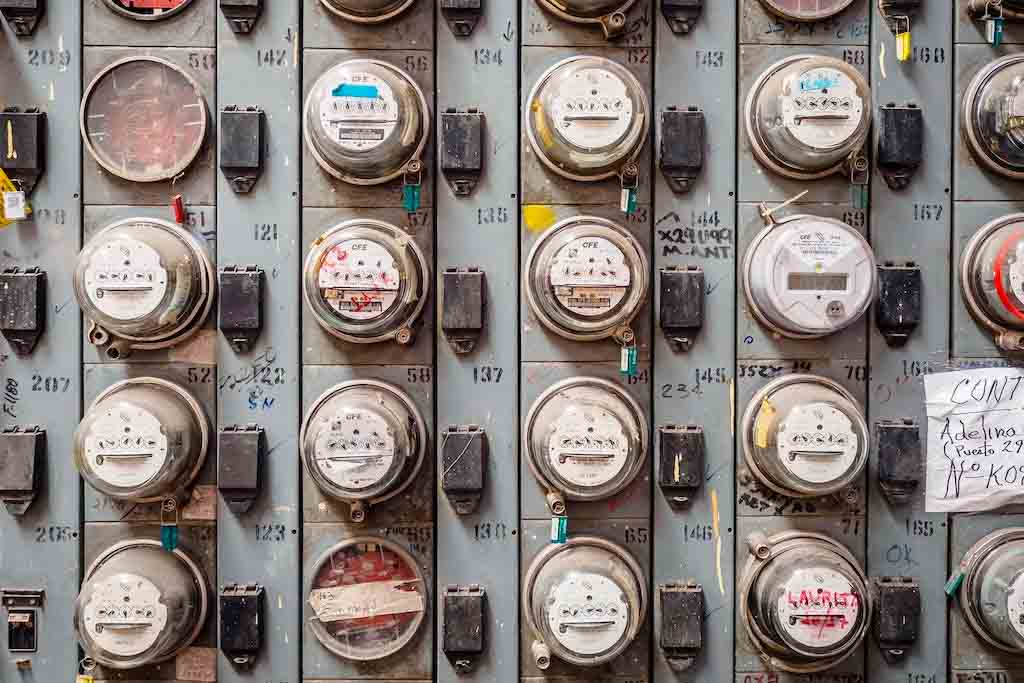
If your bill is based on actual usage, then it should include the meter reading used to generate the bill. Check this reading against what your energy meter is saying now. If the reading on your bill is higher than your current meter reading, then something may have gone wrong. Submit a new meter reading and ask your supplier for an updated bill.
Has your energy supplier made a billing error?
A sudden jump in your bill can also mean that your supplier has made a billing error. One possibility is that they’ve charged you for the wrong meter. Check that the energy reading on your meter is close to the reading on your latest bill.
A high usage household will use around 600 kWh of electricity and 1,500 kWh of gas per month. If your latest meter reading differs from your bill by more than that amount, your supplier may have made a mistake. Take a new meter reading and get in touch with your supplier to issue an updated bill.
Another possibility is that your supplier has been under-charging in the past and is now trying to correct the error. While some back billing is allowed, a supplier cannot charge you for energy that was used over 12 months ago and not billed correctly at the time. If you think this might be happening, ask your supplier for a full breakdown of the charges.
Is your energy meter recording a usage that's too high?
Very occasionally energy meters will be faulty. If possible, try turning off power for a couple of hours and check if the meter keeps moving.
If you’re concerned about your readings, you can ask your supplier to investigate. The supplier may ask you to take daily meter readings for a week to check for abnormal usage. They may also come to test the meter in person. They can either run a “load test” or install a temporary “check meter” alongside your existing meter to confirm if the meter is working correctly.
If you’re still concerned after your supplier has run a test you can demand an independent test. Be wary though, if the meter is not faulty you can be charged for the cost of the test.
If a meter is found to be faulty your supplier must replace the meter and refund any money owed as a result of the fault.
Is your multi-rate meter being charged correctly?
If you have a meter that charges different amounts during the day and at night (eg. economy 7 or economy 10) then you need to make sure the correct rates are being applied. Sometimes the meters can be set up incorrectly, so they charge the cheaper, night rate during the day and the day rate at night. If you think this is possible, ask your supplier to check your meter setup.
Are you overpaying for the energy you are using?
There are other causes of abnormally high energy bills, even if your energy usage has been billed accurately. One common cause of high energy bills is an increase in your unit rates. This means that your supplier is charging you more for each unit of energy that you use.
If you have been on a fixed rate deal, then there can be a sudden jump in your energy bill when your fixed tariff comes to an end. This is called the loyalty penalty and can be avoided by switching to a new fixed rate tariff every year.
Run an energy comparison to see if you could lower your bill by switching to a new supplier.
Has your usage increased significantly?
An increase in your energy usage can cause your electricity bill to be higher than normal.
Try and find your meter readings from the last few months. These could be on recent bills or stored in your online energy account. You will need both the readings and the dates on which they were taken.
Calculate an average daily usage by taking the difference in usage between two recent meter readings and dividing by the number of days between the readings. Compare this daily usage to the daily usage calculated with two older meter readings. If your average usage has increased, then this may be the cause of your high bills.
Is there something causing a high electricity bill?
Lifestyle changes can cause an increase in energy consumption but similarly make you more energy efficient. For example, if you’ve started working from home, powering your computer monitor or heating your office all day can lead to higher electricity bills.
Most houses will also use around 40% more energy on a typical winter day compared to a summer day. That’s because you’re using more energy to keep the house warm, and you’ll also have the lights on for more of the day.
If you have any new electronics, it’s worth checking if they’re contributing to high usage. Check your meter when the new appliance is on and then unplug it and see if your usage drops. If you don’t have an energy monitor, then it’s easiest to take meter readings an hour apart with the device on and off and compare them.
Are any appliances using too much energy?
Tumble dryers, washing machines and electric heaters are the common culprits for sudden high energy use. Try and avoid using plug in electric heaters as these use a lot more energy than your standard central heating. Tumble dryers also use a lot of energy. How old are your appliance too? You don't need to buy expensive appliances do lower high electric bills, as comparing new appliances to older ones they tend to be much more energy efficient.
If you have a multi rate meter, consider running your dryer at night when energy is cheaper, or even better hang up your clothes to air dry. Check out our list of appliances that use the most electricity in your home, and tips for reducing their usage.
Is poor insulation causing high bills?
Another cause of high bills is trying to heat a home with poor insulation especially during a harsh winter. Check your EPC certificate to see how well insulated your home is. If you’re a homeowner, you may be able to get a government grant to install energy saving home improvements such as better insulation. This can save you money in the long run.
What can you do if your energy bill is still too high?
If you’re struggling to pay a high energy bill there are ways to get help. Speak to your supplier about a payment plan and ask if you’re eligible for any discounts such as the warm home discount. Or if you are within your switching window, use Switchcraft to save money by finding yourself a better deal by switching from an expensive tariff and their higher prices.
Compare gas and electricity deals
We monitor the market and automatically switch you to better deals for free.